What We Do
Hedges That Look the Way You Want Them To
A well-shaped hedge transforms a property's frontage. A neglected one looks tired, blocks light, and slowly takes over the garden. Most domestic hedges need shaping at least once a year, with formal hedges (box, photinia, conifers) often benefiting from two or three passes through the growing season.
We trim hedges of all common Melbourne species, from a knee-high box border to a 4-metre pittosporum or photinia wall. Whether you want sharp formal lines or a softer natural shape, we tailor the finish to what suits your garden and the species.
Common Species
Hedges We Trim Across Melbourne's East
Pittosporum
One of Melbourne's most popular hedge species. Fast-growing, dense, tolerates heavy trimming. Best trimmed in spring and autumn.
Photinia (Red Robin)
The iconic red-tipped hedge. Needs regular trimming to keep the colour and density. Two to three trims per year for best appearance.
Lilly Pilly
Native option, great for screening. Tolerates hard pruning. Watch for psyllids if foliage is curling.
Box (Buxus)
Formal hedges, parterre work, low borders. Needs a precise hand for clean lines. Best in late spring through summer.
English & Portuguese Laurel
Dense, glossy, classic English-garden look. Better hand-pruned than power trimmed where possible to avoid leaf damage.
Murraya, Viburnum & Others
Less common hedge species across Melbourne's east. We can advise on appropriate timing and approach for whatever you have.
How We Trim Hedges
Hedge trimming sounds straightforward but a few things separate a good finish from a butchered one:
- Right tool for the species. Power hedge trimmers for most evergreens. Hand secateurs for laurel and large-leaf species to avoid leaf damage. Battery trimmers for noise-sensitive sites.
- Tapered profile. Hedges trimmed slightly wider at the base than the top to keep the lower foliage healthy. A common mistake is the reverse, which slowly kills the bottom of the hedge.
- String line for formal hedges. For sharp formal finishes, particularly box and photinia, we work to a string line to keep edges genuinely straight.
- Within the green wood. Most hedge species don't reshoot from old brown wood. We trim within the current season's growth to avoid bare patches.
- Full clean-up. All trimmings collected, chipped or removed. We sweep clean any pavers, decking or driveway adjacent to the hedge.
📐 Restoring a Neglected Hedge
If your hedge has been neglected for a few years and lost its shape, it can usually be brought back, but it takes time. A hard renovation prune in late winter, followed by careful shaping as the new growth comes through, will typically restore most species over one to two seasons. Some hedges (particularly older box and laurel) can be hard to bring back from heavy neglect and may be better replaced. We're happy to assess on site and give you an honest read on what's worth doing.
What's Included
Every Hedge Trimming Job Includes
- Free written quote with clear scope and finish style.
- $20M public liability insurance, certificate of currency on request.
- Right tools for the species, hand or power trimming as appropriate.
- Tapered profile to keep lower foliage healthy.
- Full clean-up, all trimmings removed or chipped.
- Optional scheduled maintenance, two or three visits a year for formal hedges.
Areas We Service For Hedge Trimming
Hedge trimming across Hawthorn, Hawthorn East, Kew, Camberwell, Canterbury, Balwyn, Surrey Hills, Mont Albert, Glen Iris, Ashburton, Malvern, Toorak, Armadale, Doncaster, Templestowe, Bulleen, Richmond, Burnley, Glen Waverley, Mount Waverley, Wheelers Hill, Box Hill, Mitcham and Caulfield. If you're nearby, just ask.
From the Field
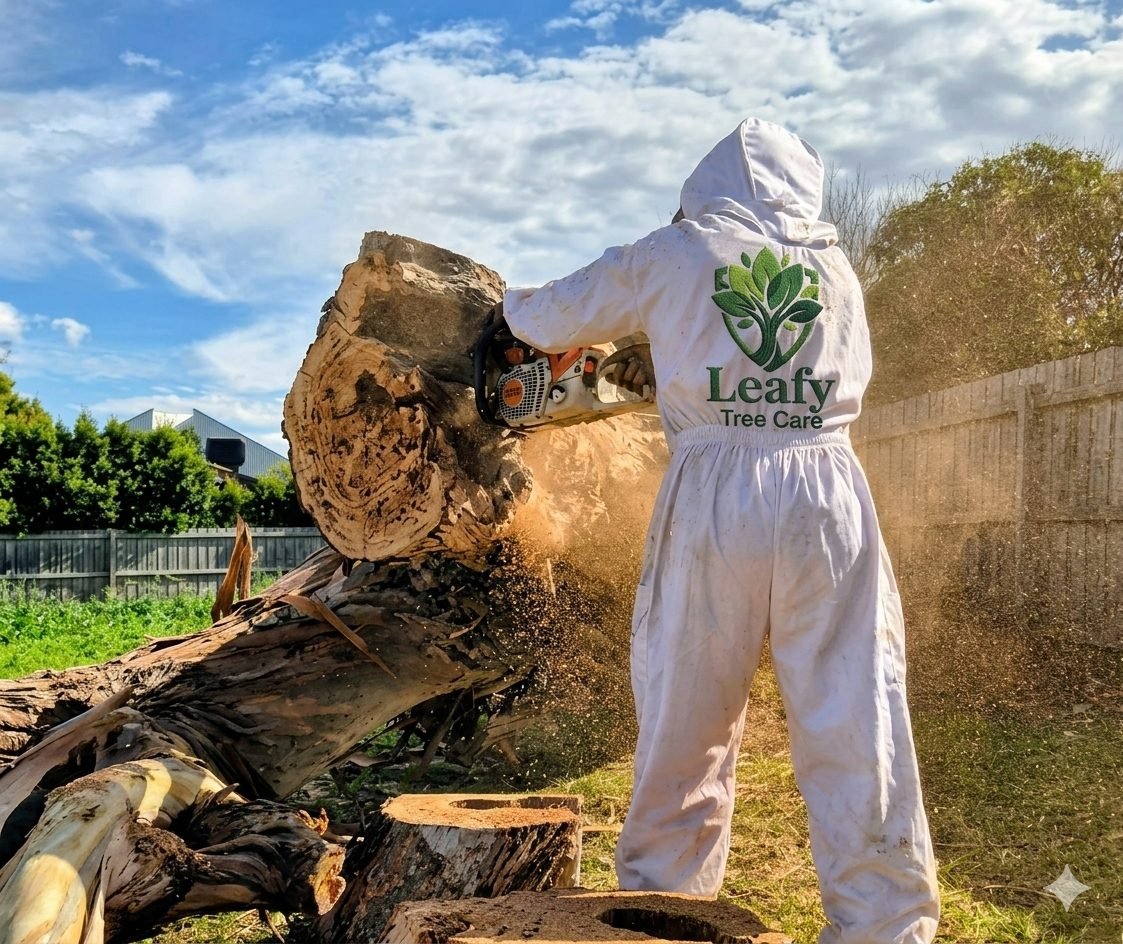
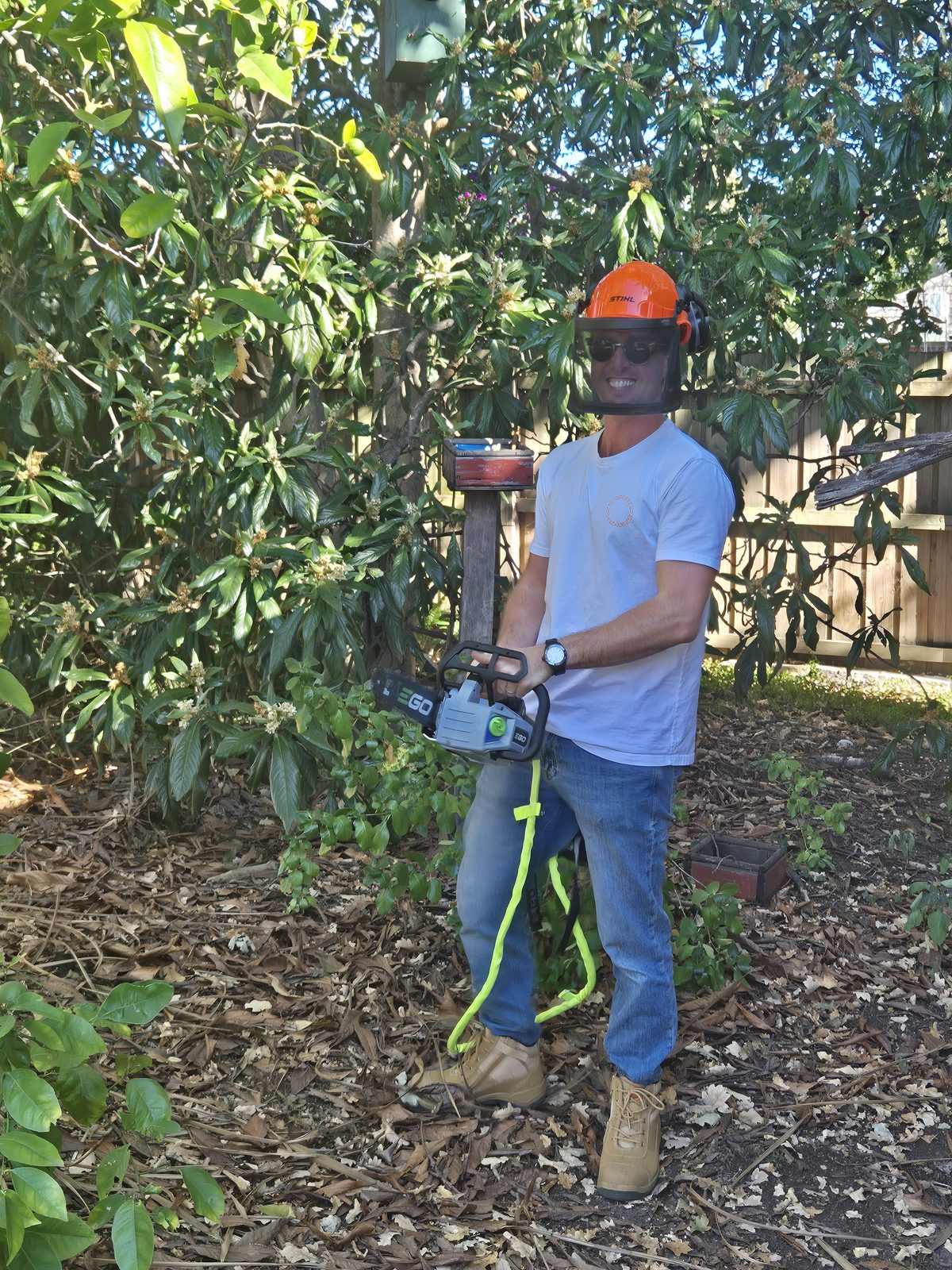
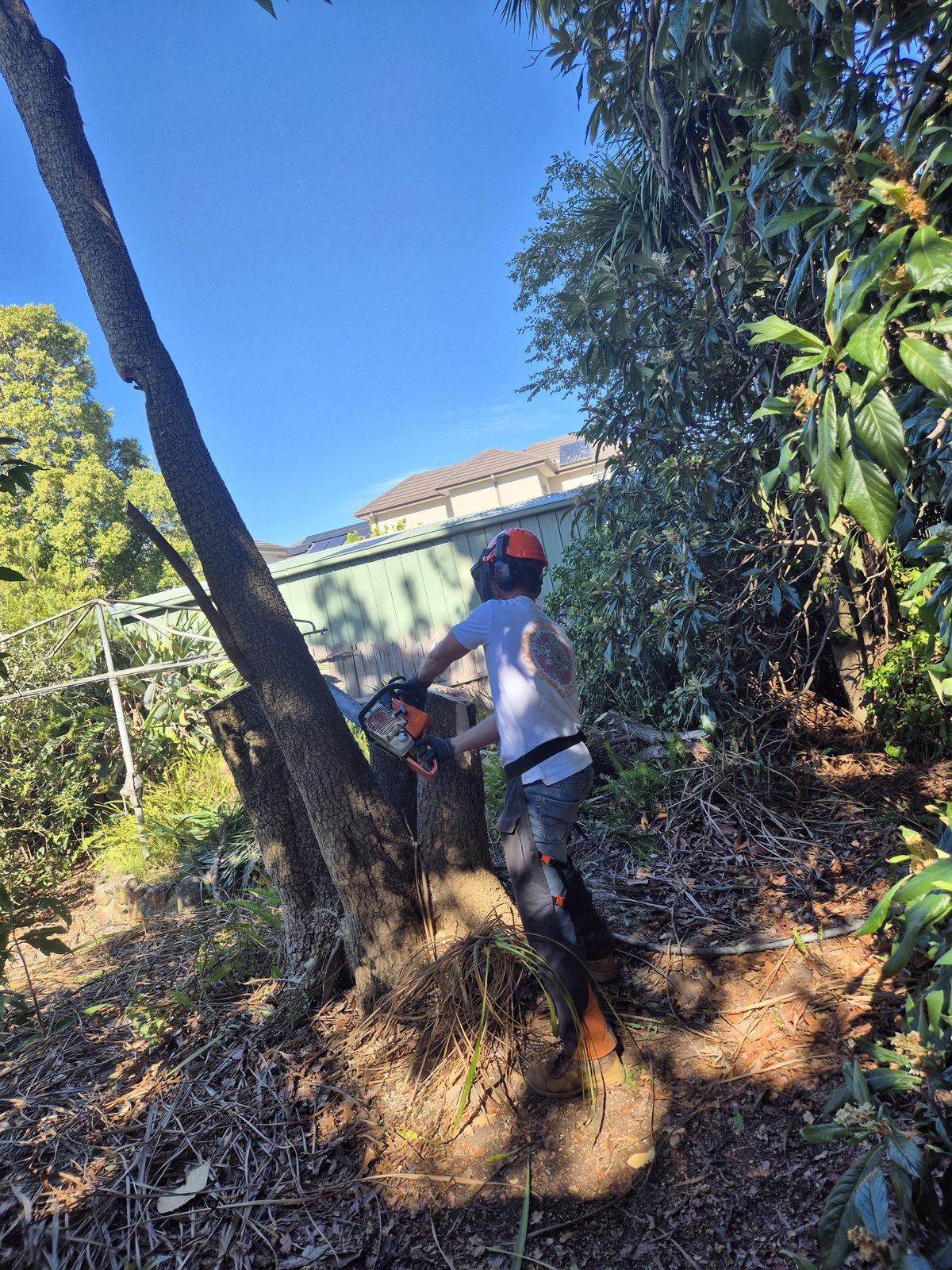
Recent Hedge Work
Local Pages
Suburb-Specific Pages
We've written dedicated pages for the suburbs where we work most often, covering the local council rules, common tree species, and what makes each area different. Read the one closest to where your tree work is: Balwyn.