What We Do
Reports Councils Actually Accept
Arborist reports are required for a wide range of situations across Melbourne's east, from a simple tree removal permit through to complex development applications involving Tree Protection Zones, retention strategies and pre-construction impact assessments. The challenge is that every council has slightly different requirements, and a report that satisfies Stonnington's planners may not satisfy Boroondara's.
We write reports to the specific format and depth each council expects, drawing on a working knowledge of their local laws, planning schemes and overlays. Our reports are prepared by Cert III qualified arborists, properly evidenced with site photos and measurements, and structured to give the assessing officer everything they need in one document.
Common Report Types
When You Need an Arborist Report
Council Tree Permit Applications
Most councils across the east require a report supporting any permit to remove or significantly prune a protected canopy tree.
Development Applications
Planning permits for extensions, new builds or subdivisions affecting trees on or near the site. Tree Protection Zones and retention strategies included.
Insurance Claims
Storm damage assessments, pre-existing condition reports, and the documentation insurers need for property damage claims.
Property Transactions
Reports for buyers or sellers concerned about trees on or near a property line. Useful for negotiating purchase conditions or post-settlement obligations.
Neighbour Disputes
Independent assessments of tree health, root encroachment, or pruning recommendations for trees on boundary lines.
Risk Assessments
Reports for schools, body corporates and commercial properties identifying high-risk trees and recommended management actions.
What Our Reports Cover
A council-ready arborist report from us typically includes:
- Site and tree identification. Property address, tree location, species (botanical and common name), dimensions including height, canopy spread, and trunk diameter at 1.4m.
- Visual Tree Assessment (VTA). Standard arboricultural method for assessing tree health, structure, and any defects.
- Photographic evidence. Clear site and tree photos showing the basis for the assessment.
- Useful Life Expectancy (ULE). Standard categorisation used by councils to assess retention value.
- Recommendations. Removal, retention, pruning, or other management actions, with reasoning.
- Tree Protection Zone calculations where relevant for development applications.
- Council-specific compliance. Cross-referenced against the relevant local law, planning scheme and overlays.
🏛️ Councils We Regularly Report For
We've prepared reports across Boroondara, Stonnington, Manningham, Yarra, Glen Eira, Monash and Whitehorse. Each has its own approach. Boroondara's Tree Protection Local Law applies strict canopy tree thresholds; Stonnington has its own significant tree register and overlays; Manningham takes a strong line on native vegetation. We know the local nuances and write reports that anticipate the questions each planner is likely to ask, which speeds up the assessment process and reduces the chance of a request for further information.
Turnaround
How Long Reports Take
Most straightforward residential reports (single tree, removal or pruning permit) are completed within five to seven business days from site inspection. More complex reports for development applications, multi-tree sites, or contested assessments typically take seven to fourteen days. Urgent turnarounds available at short notice where needed, particularly for insurance claims with tight deadlines.
What's Included
Every Arborist Report Includes
- On-site inspection by a Cert III qualified arborist.
- Written report in council-ready format, delivered as a PDF.
- Site and tree photographs embedded in the document.
- Council-specific compliance against the relevant local law and overlays.
- Tree Protection Zone calculations where required.
- Follow-up support if council requests further information or clarification.
- Fixed-fee pricing agreed upfront, no surprises.
Areas We Service For Arborist Reports
Arborist reports across Hawthorn, Hawthorn East, Kew, Camberwell, Canterbury, Balwyn, Surrey Hills, Mont Albert, Glen Iris, Ashburton, Malvern, Toorak, Armadale, Doncaster, Templestowe, Bulleen, Richmond, Burnley, Glen Waverley, Mount Waverley, Wheelers Hill, Box Hill, Mitcham and Caulfield. If you're nearby, just ask.
From the Field
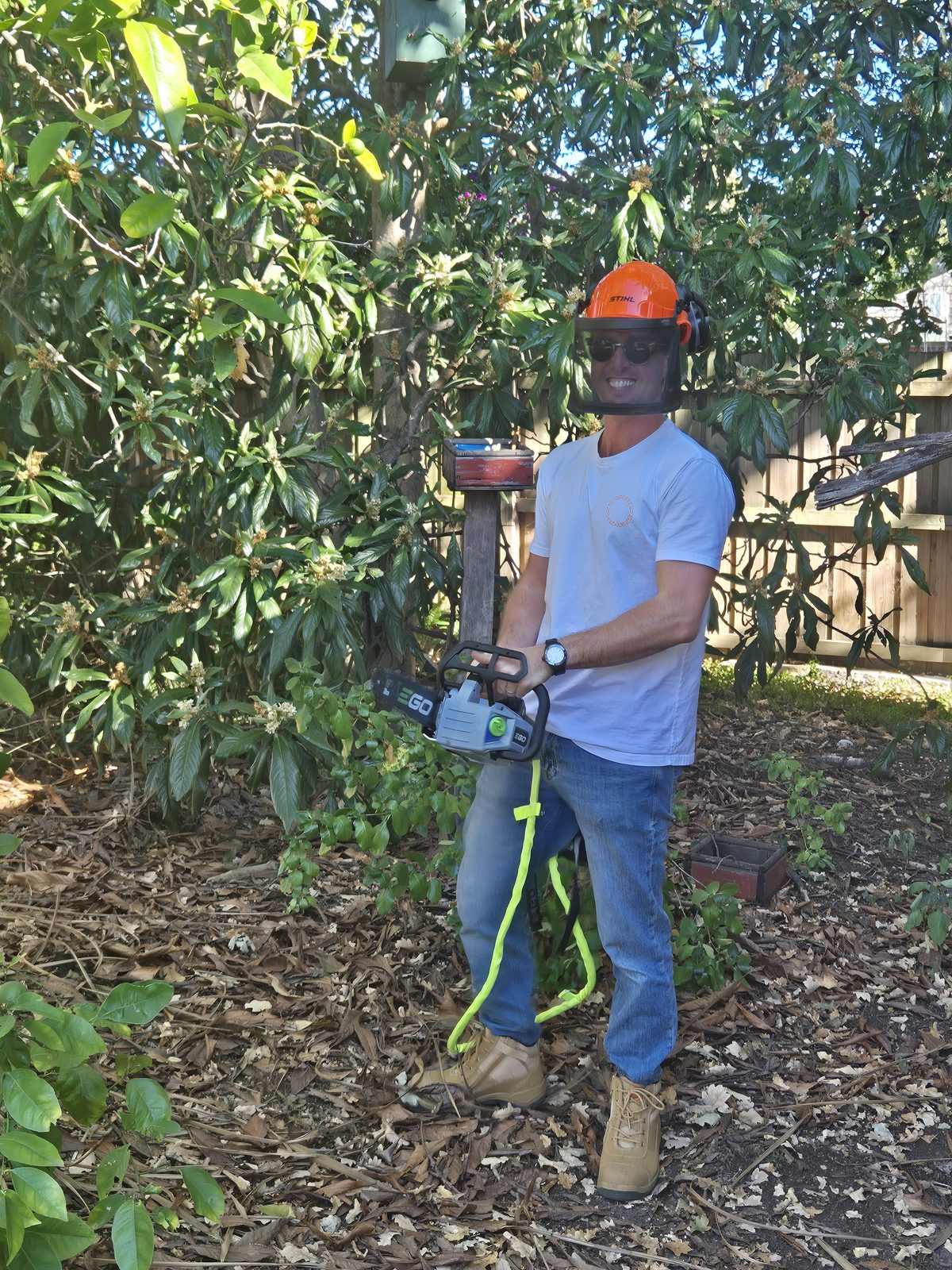
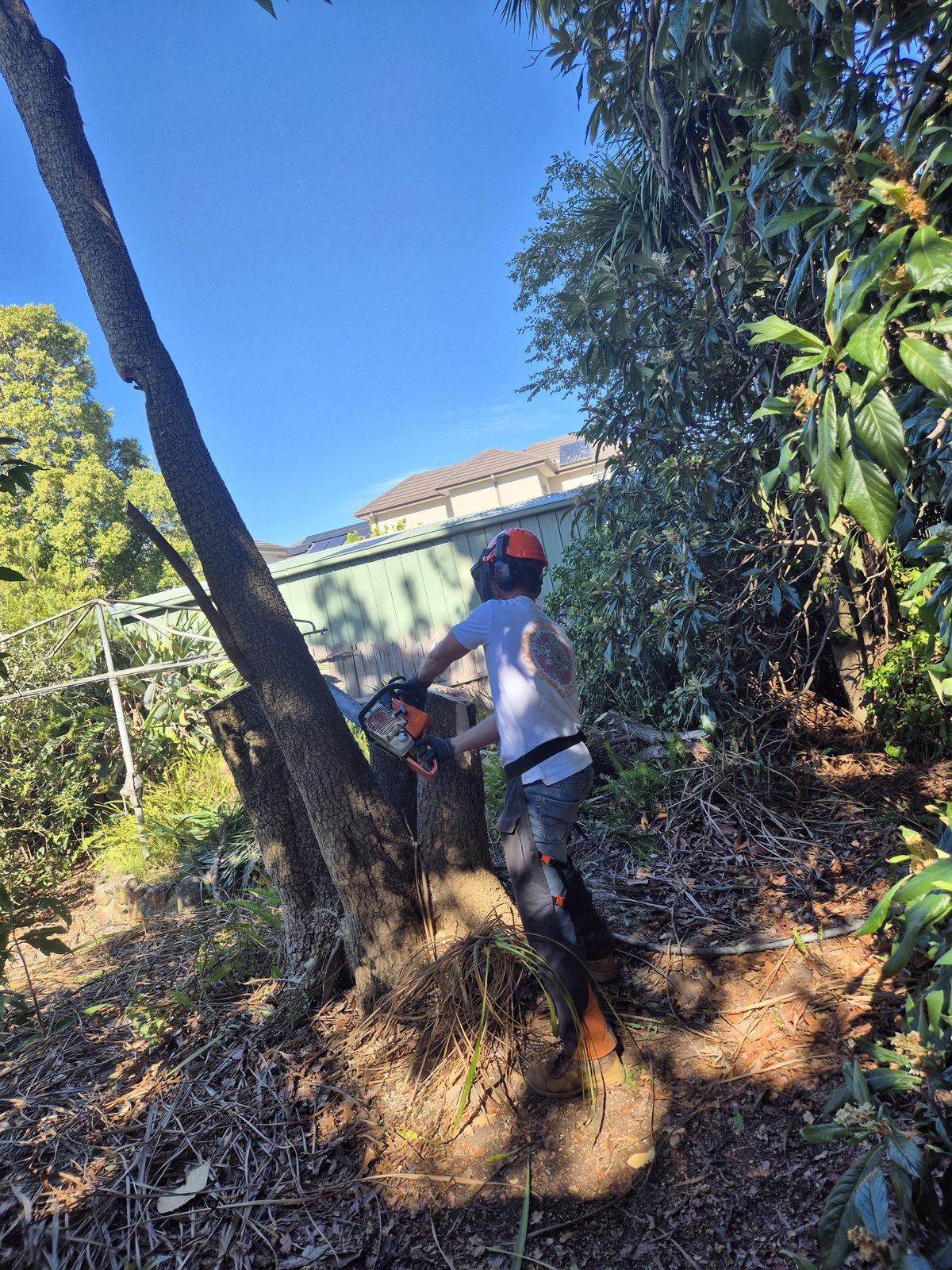
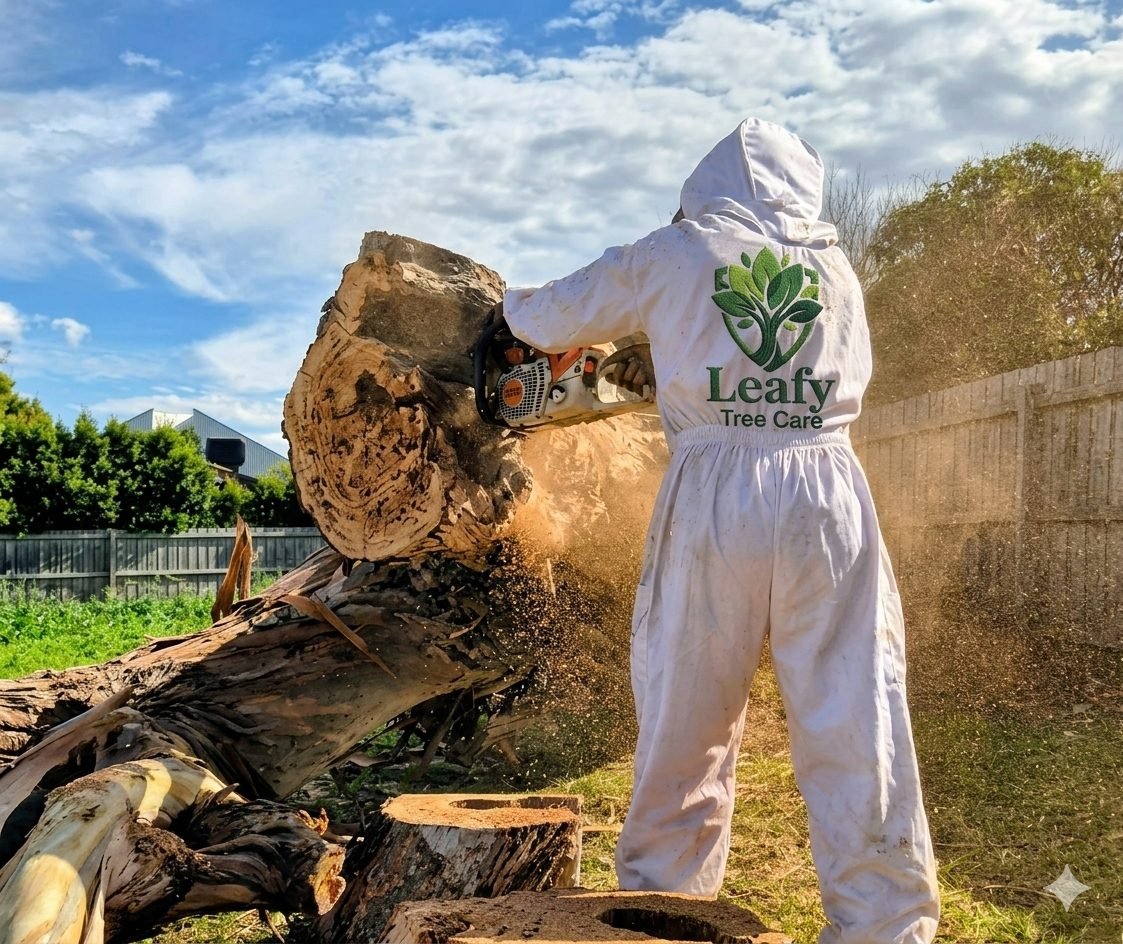
Recent Reporting Work
Local Pages
Suburb-Specific Pages
We've written dedicated pages for the suburbs where we work most often, covering the local council rules, common tree species, and what makes each area different. Read the one closest to where your tree work is: Hawthorn · Kew.